
Varanasi, also known as Kashi, is one of the most spiritual cities in India, attracting pilgrims from all over the country. For South Indian tourists planning a visit, knowing the best time to visit Varanasi is crucial for a comfortable, meaningful, and enjoyable experience. The city experiences varying weather conditions, cultural festivals, and crowd patterns throughout the year. Choosing the right season helps tourists witness rituals at Kashi Vishwanath Temple, participate in vibrant Varanasi festivals, and enjoy serene boat rides along the Ganga.
A detailed Varanasi weather guide helps travelers prepare for temperature changes, humidity, and seasonal rainfall, ensuring their journey is comfortable. Planning around the best time to visit Varanasi and festivals enhances both spiritual fulfillment and cultural immersion. With proper preparation, South Indian tourists can enjoy the city’s spiritual ambiance without dealing with extreme weather or overwhelming crowds.
Understanding Varanasi Climate for South Indian Tourists
Varanasi experiences four main seasons: summer, monsoon, autumn, and winter. Understanding these seasons is essential for planning the best time to visit Varanasi.
-
-
-
Summer (April to June): Summers in Varanasi can be harsh, with temperatures exceeding 40°C. High heat and humidity make temple visits and ghat walks exhausting. South Indian tourists, especially elderly travelers or families with children, may find it physically demanding.
-
Monsoon (July to September): The monsoon season brings moderate rainfall. The city looks lush and the Ganga flows abundantly, but some areas near the ghats may become slippery. Traveling and sightseeing require caution during this season.
-
Autumn (October to November): Post-monsoon weather is moderate and pleasant. The skies are clear, river views are at their best, and this period coincides with several important festivals. Autumn is considered one of the best times to visit Varanasi for South Indian tourists.
-
Winter (December to February): Winters are cool and dry, with temperatures ranging between 7°C and 20°C. This is an ideal period for sightseeing, temple visits, and attending rituals without facing heat or heavy crowds.
-
-
According to the Varanasi weather guide, October to March is generally regarded as the best time to visit Varanasi, offering mild climate and optimal conditions for outdoor activities and spiritual tours.
Significance of Festivals in Varanasi
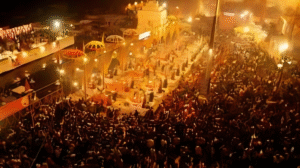
Understanding Varanasi festivals is vital for tourists, as festivals can enhance the spiritual and cultural experience but also influence crowd levels and accommodation availability. South Indian tourists should plan their visit considering the festivals they wish to witness.
-
-
-
Maha Shivaratri: Celebrated for Lord Shiva, this festival draws devotees to Kashi Vishwanath Temple for special pujas and night-long rituals.
-
Ganga Mahotsav: Held in November, it showcases cultural performances, boat processions, and traditional arts along the ghats.
-
Dev Deepawali: Celebrated on the full moon of Kartik, thousands of diyas light up the ghats, creating a mesmerizing spectacle.
-
Diwali: The festival of lights brings festive energy to the city, with colorful decorations and temple celebrations.
-
Chhath Puja: Devotees offer prayers to the Sun God along the ghats, a visually and spiritually enriching experience.
-
-
South Indian tourists visiting during festivals should plan accommodations and temple visits in advance due to large crowds.
Ideal Duration for a South Indian Pilgrimage
The ideal best time to visit Varanasi also depends on how long tourists plan to stay. A 4 to 6-day trip is recommended to cover key temples, ghats, festivals, and sightseeing without rushing. This duration allows for:
-
-
-
Kashi Vishwanath Temple darshan
-
Evening Ganga Aarti at Dashashwamedh Ghat
-
Morning boat rides on the Ganga
-
Visits to Assi Ghat, Sarnath, Annapurna Temple, and local markets
-
Participation in festivals, if visiting during celebrations
-
-
Adequate time ensures a peaceful and spiritually fulfilling pilgrimage.
Accommodation Tips for South Indian Tourists
Choosing the right accommodation is essential, especially during the best time to visit Varanasi when tourist traffic is high. South Indian tourists often prefer hotels near key temples and ghats. Comfortable stays with vegetarian food options, quiet surroundings for reflection, and easy access to religious sites enhance the pilgrimage experience.
Packing and Clothing Tips Based on Weather
The Varanasi weather guide helps in packing appropriate clothing for each season:
-
-
-
Summer: Light cotton clothes, hats, sunscreen, and comfortable shoes
-
Monsoon: Raincoats, umbrellas, and waterproof footwear
-
Winter: Warm clothing, shawls, and comfortable walking shoes
-
Festival Periods: Traditional attire for temple visits
-
-
Packing according to the best time to visit Varanasi ensures tourists stay comfortable while engaging in rituals and sightseeing.
Transportation and Local Travel
Varanasi’s narrow lanes and crowded streets make local transportation challenging. South Indian tourists benefit from organized transport arrangements, including:
-
-
-
Private cabs for temple visits and sightseeing
-
Guided walking tours along ghats and markets
-
Boat rides for sunrise or evening Ganga rituals
-
-
Planning local transport in advance, especially during festival seasons, makes travel hassle-free.
Health and Safety Guidelines
South Indian tourists should follow these guidelines to ensure a safe pilgrimage:
-
-
-
Stay hydrated and avoid heavy meals during extreme heat
-
Carry bottled water and essential medicines
-
Wear comfortable shoes for walking along ghats
-
Follow temple rules and crowd management advice
-
-
Adhering to health and safety tips helps pilgrims enjoy a smooth experience during the best time to visit Varanasi.
Cultural Etiquette and Temple Visits
Understanding local customs and etiquette is essential for South Indian tourists. Local guides or tour operators can provide insights into:
-
-
-
Temple dress codes and modest attire
-
Respectful behavior during rituals and Aarti ceremonies
-
Understanding the significance of daily rituals at Kashi Vishwanath Temple and ghats
-
-
Participating respectfully enhances the spiritual experience and allows tourists to immerse fully in the culture.
Festivals and Spiritual Experiences
Planning around Varanasi festivals maximizes cultural and spiritual engagement. Tourists can:
-
-
-
Witness the grandeur of Dev Deepawali lighting up the ghats
-
Participate in Ganga Mahotsav cultural events
-
Attend special pujas during Maha Shivaratri
-
Experience Chhath Puja rituals along the river
-
-
Timing the visit during festivals ensures South Indian tourists gain both spiritual depth and cultural richness.
Tips for First-Time South Indian Pilgrims
-
-
-
Plan early morning temple visits to avoid crowds
-
Witness evening Ganga Aarti at Dashashwamedh Ghat
-
Respect local customs and rituals
-
Use a local tour operator to manage transport, accommodation, and festival visits
-
Carry seasonal clothing as per the Varanasi weather guide
-
-
These tips help ensure a smooth, meaningful, and safe pilgrimage.
Conclusion
Understanding the best time to visit Varanasi, following the Varanasi weather guide, and planning around Varanasi festivals is crucial for South Indian tourists. October to March offers comfortable weather and ideal conditions for temple visits, sightseeing, and festival participation. With proper preparation, guided tours, and cultural understanding, a visit to Varanasi can be a spiritually enriching and unforgettable experience. Planning in alignment with weather and festivals ensures South Indian tourists enjoy a pilgrimage that is both comfortable and deeply meaningful.
Frequently Asked Questions
1. What is the best time to visit Varanasi for South Indian tourists?
The ideal period is October to March when weather is mild, suitable for temple visits, and sightseeing.
2. Which Varanasi festivals should South Indian tourists witness?
Maha Shivaratri, Dev Deepawali, Ganga Mahotsav, Diwali, and Chhath Puja are highly recommended.
3. How long should a South Indian tourist stay in Varanasi?
4 to 6 days is sufficient for a complete spiritual and cultural experience.
4. Is Varanasi crowded during festivals?
Yes, crowds increase significantly during major festivals, so advance planning is essential.
5. What clothing is recommended for Varanasi?
Light cotton clothes for summer, rain protection during monsoon, warm clothes in winter, and traditional attire for temple visits.
6. Can local tour operators assist with festival arrangements?
Yes, they provide guidance, transport, accommodation, and temple access during high-traffic periods.
7. Is it safe for families and elderly pilgrims to visit Varanasi?
Yes, with proper planning and guidance, Varanasi is safe for families and elderly visitors.