
For devotees from South India, visiting Varanasi is not just a travel plan or a religious vacation. It is a deeply emotional and spiritual journey that connects generations through faith and devotion. Varanasi, also known as Kashi, is believed to be the eternal city of Lord Shiva, a place where life, death, and liberation come together. For centuries, South Indian families have grown up listening to stories of Kashi, moksha, and the sacred River Ganga. Because of this deep-rooted belief, a Varanasi tour for South Indians is often considered a sacred duty and a major milestone in one’s spiritual life.
In many South Indian homes, elders strongly believe that a pilgrimage to Kashi completes one’s religious journey. It is said that Lord Shiva himself resides here as Vishwanath, the ruler of the universe. Visiting his temple, offering prayers, and taking a holy dip in the Ganga are believed to wash away sins and bring peace to the soul. This belief makes the Kashi Vishwanath tour for South Indians extremely special and emotionally meaningful.
Traveling from South India to North India, however, requires thoughtful preparation. The long distance, climate differences, language barriers, and large crowds can be challenging, especially for elderly pilgrims. That is why proper planning is essential. When planned correctly, a Varanasi tour for South Indians becomes peaceful, comfortable, and spiritually fulfilling rather than tiring or stressful.
Spiritual Importance of Varanasi for South Indian Devotees
Varanasi holds immense spiritual importance in South Indian traditions, particularly among Shaivite followers. Ancient scriptures, devotional hymns, and temple rituals followed in Tamil Nadu, Karnataka, Andhra Pradesh, and Kerala frequently mention Kashi as the ultimate spiritual destination. Many South Indian saints and spiritual leaders have described Kashi as the center of divine energy and liberation.
The Kashi Vishwanath Temple is one of the twelve Jyotirlingas of Lord Shiva, making it one of the most powerful Shiva temples in India. Because of this, the Kashi Vishwanath tour for South Indians is considered highly auspicious. Devotees believe that worshipping Lord Shiva here helps remove negative karma, brings inner peace, and leads one closer to moksha.
Many South Indian devotees also believe that rituals such as Rudrabhishek, Maha Abhishekam, and special Shiva pujas are especially powerful when performed in Varanasi. Ancestral rituals like pind daan are also commonly performed here, as it is believed that performing these rites in Kashi helps ancestors attain peace. For families, this brings emotional relief and spiritual satisfaction.
Best Travel Options for Varanasi Tour for South Indians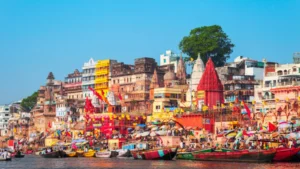
Because of the long distance between South India and Varanasi, choosing the right travel option plays a major role in the comfort of the journey. Factors such as age, health, and travel budget should always be considered.
Air travel is the fastest and most convenient option for a Varanasi tour for South Indians. Cities like Chennai, Bengaluru, Hyderabad, Kochi, Trivandrum, and Coimbatore are well connected to Varanasi through connecting flights. Flying significantly reduces travel time and physical strain, making it ideal for senior citizens and families who want to preserve energy for temple darshan and rituals.
Train travel remains a popular choice among many South Indian devotees who enjoy the traditional pilgrimage experience. Several long-distance trains connect major South Indian cities to Varanasi Junction. Train journeys are economical and well-suited for group pilgrimages. For many devotees, the journey itself becomes a spiritual experience filled with prayers, chanting, and shared devotion.
Group travel is particularly beneficial for first-time visitors. Traveling together offers emotional support, better coordination, and guidance during temple visits. With proper planning, a Kashi Vishwanath tour for South Indians becomes organized, safe, and comfortable.
Planning Kashi Vishwanath Tour for South Indians for Temple Darshan
Darshan at Kashi Vishwanath Temple is the most important part of the pilgrimage. Since the temple attracts lakhs of devotees throughout the year, crowd management is a major concern.
Early morning darshan is considered the most peaceful and spiritually rewarding. During these hours, the temple atmosphere is calmer, allowing devotees to pray with focus and devotion. Mondays, weekends, and festival days usually see heavy crowds, so additional waiting time should be expected.
Special rituals like Abhishekam and Rudrabhishek generally require advance booking through authorized temple channels. Planning these rituals before arrival helps avoid confusion and disappointment. Senior citizens and physically challenged devotees benefit greatly from assisted darshan arrangements, which reduce waiting time and physical strain.
Proper darshan planning ensures that the spiritual purpose of the Kashi Vishwanath tour for South Indians is fulfilled smoothly.
Accommodation Preferences for South Indian Pilgrims
Accommodation plays an important role in the comfort of a Varanasi tour for South Indians. Most devotees prefer simple, clean, and peaceful places rather than luxury hotels.
Many pilgrims choose accommodation near Kashi Vishwanath Temple to minimize walking and travel time. Varanasi offers a wide range of hotels, guesthouses, and dharamshalas that cater specifically to pilgrims. These accommodations focus on cleanliness, basic comfort, and a calm environment.
Staying close to the temple area is especially helpful for elderly devotees, as it allows them to rest between temple visits and reduces physical exertion. Comfortable accommodation helps pilgrims stay healthy and focused throughout their journey.
Food Availability and Cultural Comfort for South Indians
Food is an important concern for South Indian devotees, especially those who strictly follow vegetarian diets. Maintaining familiar food habits helps ensure both physical comfort and peace of mind.
Varanasi offers many vegetarian food options suitable for pilgrims. South Indian-style meals such as idli, dosa, sambar, and simple rice preparations are available at selected restaurants near temple areas. Temple prasadam is also a trusted and spiritually satisfying option. Eating light and fresh food helps pilgrims stay energetic during their Varanasi tour for South Indians.
Cultural comfort is equally important. Many local service providers understand South Indian customs and religious practices, which helps devotees feel welcomed and respected despite being far from home.
Important Places to Visit Along with Kashi Vishwanath Temple
A well-planned Varanasi tour for South Indians includes visits to other sacred places in the city. Dashashwamedh Ghat is famous for the evening Ganga Aarti, which offers a powerful spiritual experience. Assi Ghat provides a quieter atmosphere suitable for meditation and morning prayers. Sarnath, where Lord Buddha delivered his first sermon, adds a peaceful and historical dimension to the journey. Annapurna Devi Temple and Kalbhairav Temple are also considered important during a Kashi visit.
Ideal Duration for Varanasi Tour for South Indians
A minimum of three to four days is ideal for a comfortable pilgrimage. This duration allows enough time for temple darshan, rituals, ghat visits, and proper rest. Rushing through the itinerary can reduce the spiritual experience, while a relaxed schedule ensures peace and fulfillment.
Health and Safety Tips for South Indian Devotees
Long-distance travel requires basic health precautions. Staying hydrated, avoiding heavy food, and taking regular breaks are essential. Wearing comfortable footwear is important for walking near temples and ghats. Carrying essential medicines and following temple guidelines help ensure a safe and smooth journey.
Conclusion
With proper planning and awareness, a Varanasi tour for South Indians becomes a deeply meaningful and fulfilling spiritual experience. Understanding travel options, darshan planning, accommodation needs, food preferences, and cultural comfort allows devotees to focus entirely on devotion. A well-organized Kashi Vishwanath tour for South Indians leaves lasting memories and inner peace that stays long after the journey ends.
Frequently Asked Questions
How many days are ideal for a Varanasi tour for South Indians?
Three to four days are ideal to comfortably cover Kashi Vishwanath Temple, major ghats, and nearby sacred places during a Varanasi tour for South Indians.
Is Kashi Vishwanath tour for South Indians for Temple darshan difficult for first-time visitors on a Varanasi tour for South Indians?
Darshan can be crowded, but early planning and visiting during non-peak hours make the experience smooth for devotees on Kashi Vishwanath tour for South Indians
Is South Indian food available during a Varanasi tour for South Indians?
Yes, vegetarian and South Indian-style food options are available near major pilgrimage areas in Varanasi.
What is the best travel option from South India to Varanasi for South Indian pilgrims?
Flights are the fastest option, while trains are suitable for budget-conscious and group travelers planning a Varanasi tour for South Indians.
Are accommodations suitable for elderly South Indian pilgrims visiting Varanasi?
Yes, many hotels and guesthouses near temples cater to elderly pilgrims with easy access and basic comforts during a Varanasi tour for South Indians.
Can special Shiva pujas be arranged in advance for a Varanasi tour for South Indians?
Yes, special rituals such as Abhishekam and Rudrabhishek can be planned in advance through authorized temple channels.
Is Varanasi safe for South Indian families?
Yes, Varanasi is generally safe for families, especially when a Varanasi tour for South Indians is well-organized and planned in advance.